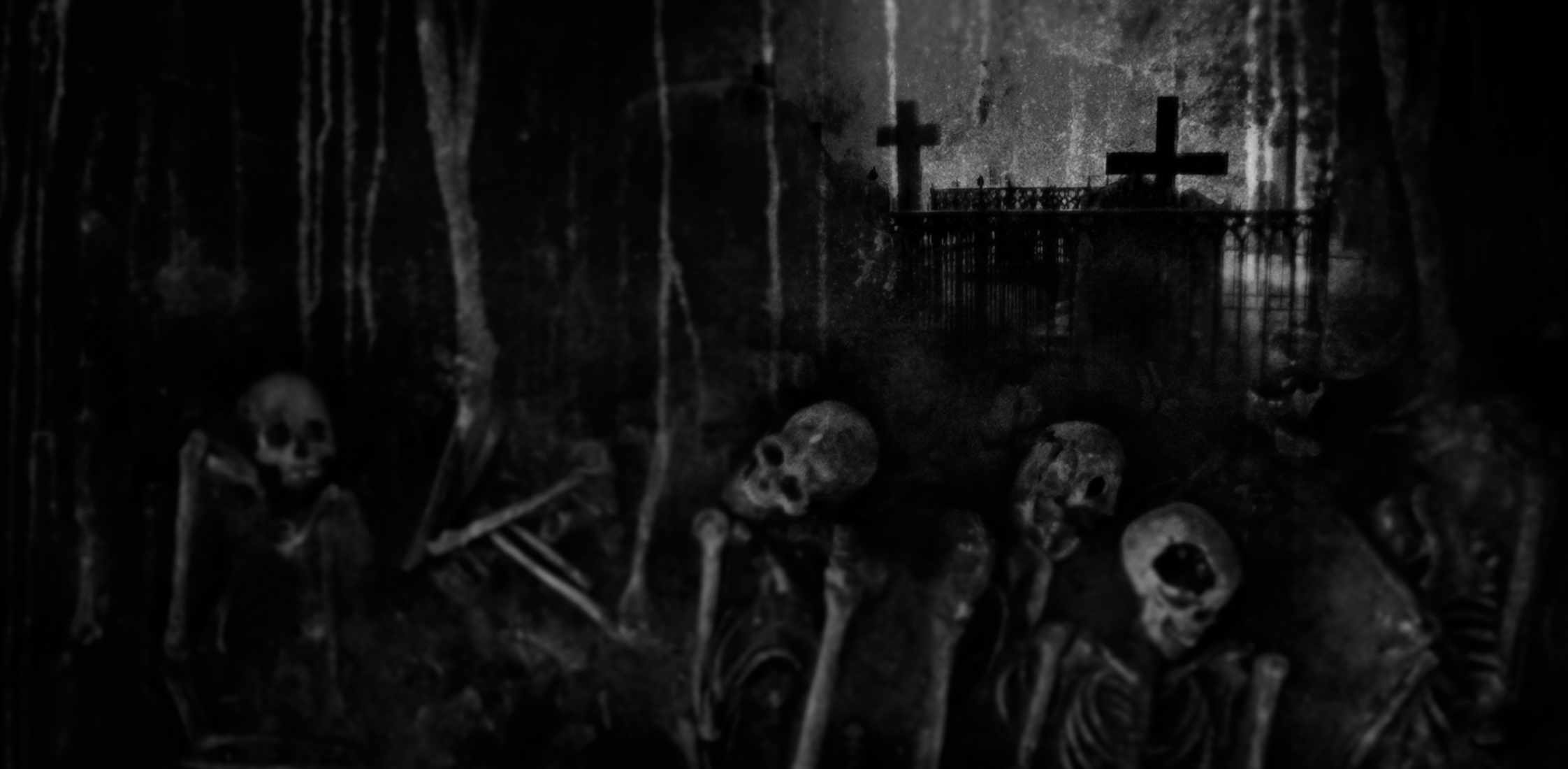
Like many designers, I’ve come across AI-generated imagery in one form or another — and I have mixed feelings about it. The development is incredibly fast, and at its best, generative AI can produce results that are either strikingly realistic or intentionally dreamlike, depending on the prompt.
I spent a month testing Midjourney and was honestly surprised by how easily it can generate artwork that closely resembles the styles of well-known artists, from Renaissance painters to contemporary digital creators. Used as a tool for mock-ups, idea testing, or fixing small issues in images, AI can be genuinely useful. But relying on it for everything? At that point, I wouldn’t call it making art — it’s more like directing, or prompting.
This raises questions that are hard to ignore: who owns the copyrights, and have the original artists consented to their work being used as training material?
What also struck me was how quickly AI outputs began to resemble my own Photoshop-based or hand-drawn work. And that leads to a concern shared by many artists: why hire an illustrator when you can “just” prompt an AI to create something “in the style of” a named artist? These are questions the creative field needs to face — sooner rather than later.
 using WordPress and